Every collection of consequence starts with one car bought more or less properly, and the properly part is rarely about the car. It is about the seller, the paper, and the infrastructure that keeps the machine alive long after the romance of the first drive home has faded. Get those three right and the market can do what it likes.
Specialist before saleroom
The auction catalogues are seductive and the saleroom is efficient, but the sensible first purchase usually comes from a marque specialist — a dealer who sells one kind of car, whose name travels in the same small world as the car's, and who cannot afford to sell you a bad one. Specialists cost more than auctions on the day and less over five years, because the car comes with someone to call.
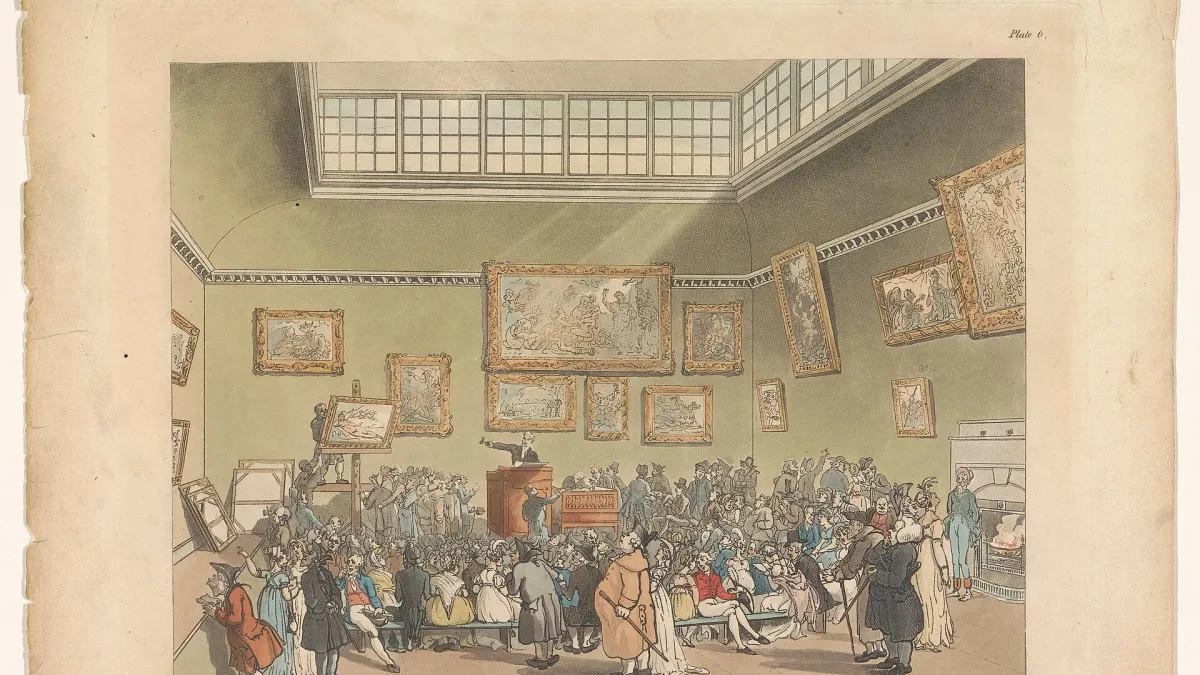
Auctions earn their place later. Once you know the model well enough to inspect a car yourself — or to pay someone who does — the saleroom offers choice and speed, and the big houses will share condition reports and history documentation on request. What an auction never gives you is the relationship; the hammer falls and you are on your own. Private sales through owners' clubs are cheaper still and demand the most expertise of all. They are a second purchase, not a first.
Matching numbers and the history file
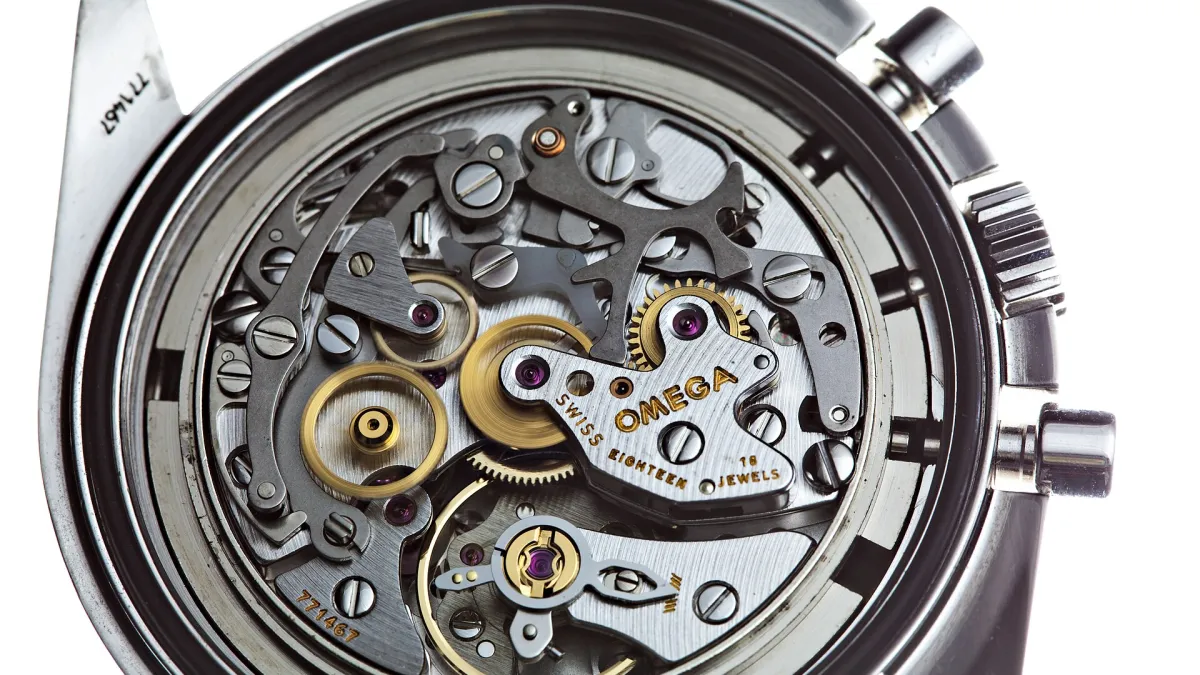
The phrase to learn is matching numbers: engine, gearbox and chassis carrying the stamps the factory gave them, verified against factory records where they survive. Ferrari's own Classiche certification exists precisely because this matters; other marques have registers and archivists who perform the same function informally. A car with its original mechanicals and a continuous history file — invoices, registrations, restoration records, competition history — sits in a different asset class from a pretty car with gaps.
Condition has its own hierarchy, and it has shifted toward originality. An over-restored car — paint better than the factory managed, every nut replated — is worth less to the market than an honest one with patina and paperwork. Restore to preserve, not to impress; the buyers who matter can tell the difference at ten paces. The gaps are what you are pricing, and they must be paid for by the seller, in the price.
The cost of not driving
A collector car that sleeps deteriorates in specific, expensive ways: seals dry, fuel goes stale, tyres flat-spot, brake systems corrode from the inside. Recommissioning a long-dormant car costs real money, which is why the cheapest car to own is often the one that gets driven — a few thousand kilometres a year, warmed through properly, by someone who knows what the noises mean.
Budget, too, for the unglamorous running: specialist servicing, agreed-value insurance, and the recommissioning bill that follows any season of neglect. If your life has no room for a Sunday morning and an empty B-road, buy a different asset class.
Storage is infrastructure
Proper storage means climate control, dehumidification, battery conditioning and security — a professional facility, or a home garage rebuilt to that standard. A trailer, or a relationship with a covered-transport firm, belongs on the same list; the car should arrive at events, not gamble on making it. Keep the history file growing while you own the car: every invoice, every service, every mile. You are curating the next buyer's confidence.
The deepest club wins
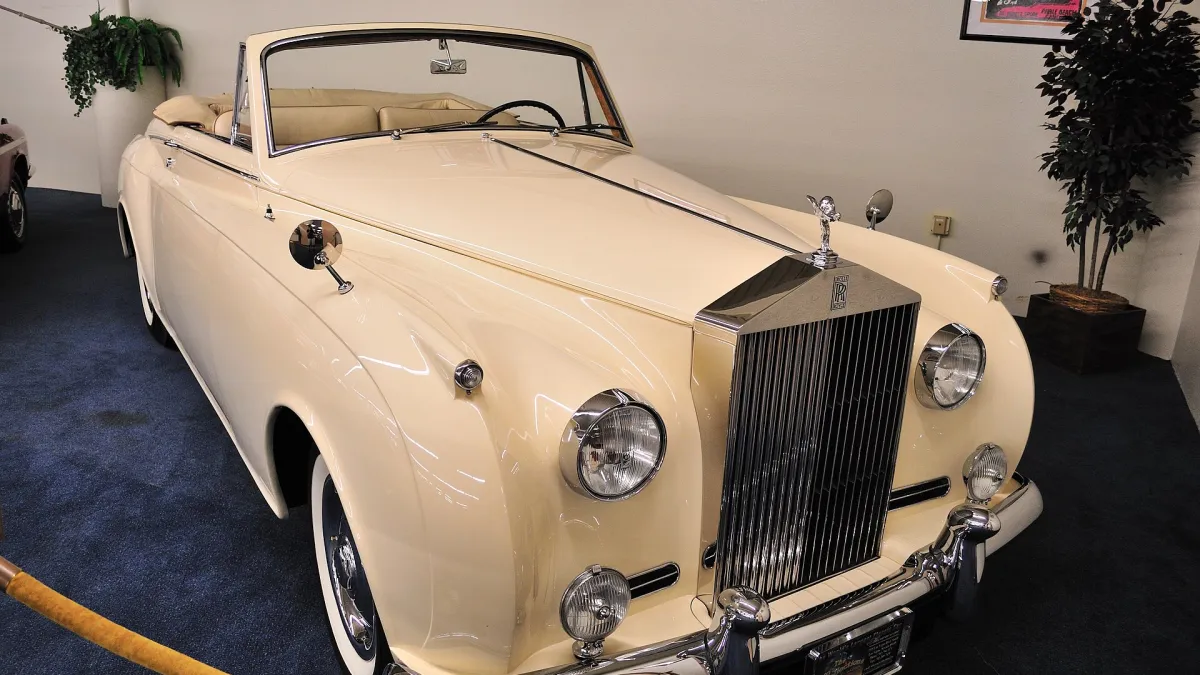
For a first trophy car, choose liquidity and support over rarity — the models with the strongest owners' clubs, the deepest parts supply and the most specialists. A 911 of almost any classic generation, an E-Type, a front-engined V12 Ferrari with club racing behind it: cars like these can always be fixed, always be valued and always be sold. Obscurity is a luxury for the third car. Whatever the model, commission a pre-purchase inspection by a specialist who works for you and not the seller. It costs a rounding error and buys the only opinion in the transaction with no commission attached.
Dealers report that the froth of 2021–22 has long since left the market, and as of late 2026 patient buyers face sensible asking prices and sellers who answer the telephone. That is the moment for a first car bought properly — and the only moment the properly part is fully within your control.