Four years into the sorting, the secondary watch market has become an honest place. A steel Rolex Daytona or a Patek Philippe Nautilus that changed hands at two or three times its boutique price at the mania's height now trades at a premium you can discuss without blushing. The public price trackers tell the shape of it: a long slide, a quieter decline, then something more interesting than a recovery — a market that stopped lying.
The hangover
The blow-off of 2022 had obvious parents: near-zero interest rates, buoyant crypto portfolios, stimulus money and a locked-down collecting class with nowhere else to spend. When rates rose and crypto cracked, the speculative bid simply left. Dealers who had been flipping fresh allocations within a week found themselves holding stock. Margins on the hyped references compressed first, then prices followed.
What did not happen matters as much. There was no collapse in the ordinary sense. The big auction houses kept selling watches well; vintage pieces with strong provenance held; and the trackers stopped their freefall long before sentiment did. The correction removed froth, not demand. Dealers report thinner books now but better conversations — fewer callers asking what will double, more asking what to wear.
That shift shows in the mechanics of dealing itself. At the peak, grey-market dealers financed stock on short money and flipped it within days, so a handful of forced sellers could set the price for an entire reference. The dealers who remain hold less, turn it slower, and quote with both hands — a buy price and a sell price far enough apart to remind you that a watch is illiquid in exactly the way a share is not. Anyone valuing a collection by the ask prices on a dealer's website is marking to a fiction; the real number is the bid, and the bid is what survives a phone call.
Hype references, enduring references
The correction drew a clean line through the catalogue. On one side sit the hype references: steel sports models from Rolex, Patek Philippe and Audemars Piguet, valuable chiefly because retail supply is rationed and the queue is famous. On the other side sit the enduring ones: complicated Pateks, precious-metal dress watches, well-documented vintage. The first group fell hard. The second mostly sagged.
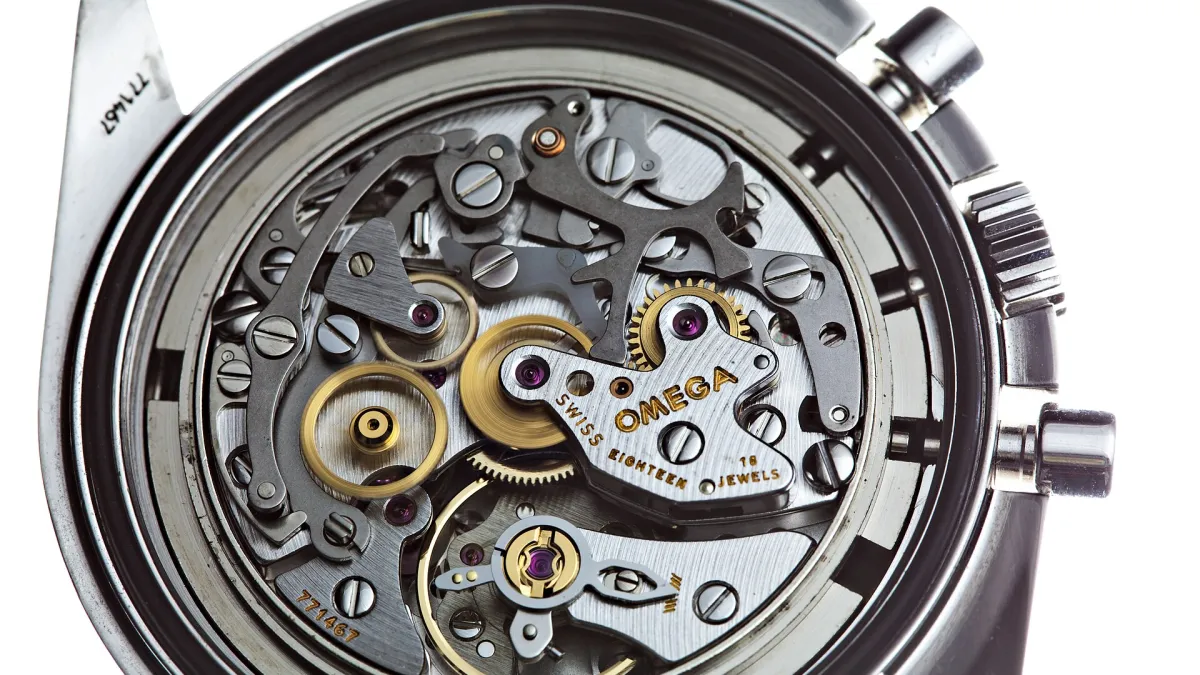
The lesson is uncomfortable for anyone who bought at the top. The premium on a steel sports watch was never a quality premium; it was a queue premium, and queue premiums evaporate when queuing stops being fashionable. A watch with a gold case and a movement that took a decade to develop has reasons to be expensive that do not depend on how many strangers want one this quarter — and with gold trading in record territory around US$4,350 an ounce, a precious-metal case now carries a bullion floor the hype references never had.
Why the list still matters
None of this killed the authorised-dealer waiting list. Allocation at retail remains the cheapest entry into the strongest references, which makes a good relationship with a dealer an asset in itself — one earned through purchase history and patience rather than cash. The lists are shorter and more honest than they were at the peak, because the flippers have gone. The person ahead of you now is more likely to be a collector.
The dry truth is that the list is the market. Everything else is commentary on it.
The service file
Two things separate a watch that sells in a week from one that lingers: the case and the paperwork. An over-polished case — lugs thinned, crisp edges rounded by a jeweller's wheel — is permanently devalued, and experienced buyers spot it across a table. Factory maintenance matters the same way. A watch serviced by the brand, with stamped booklets and invoices to prove it, commands a premium over one attended by a talented stranger, and any dial or handset replaced during a service must be disclosed and priced into the deal.
Ask who serviced it, where, and what was swapped. The answers are cheap before money moves and expensive after.
Buy the one you will wear
The collectors who came through the correction best share a habit: they bought to wear, and they kept the box. Condition and completeness — papers, service history, the full set — decided who could sell without pain when they wanted to. A worn but honest watch with its paperwork beats a safe-queen with a story.
This September the open question is what cheaper money would do. With the ten-year Treasury yielding around 5 per cent, the speculative bid has better homes than a steel sports watch; should that change, the watch market will not be ignored forever. The sensible posture is the one the correction taught: treat any premium over retail as the cost of enjoyment, not an investment, and let the enduring references do the quiet work.