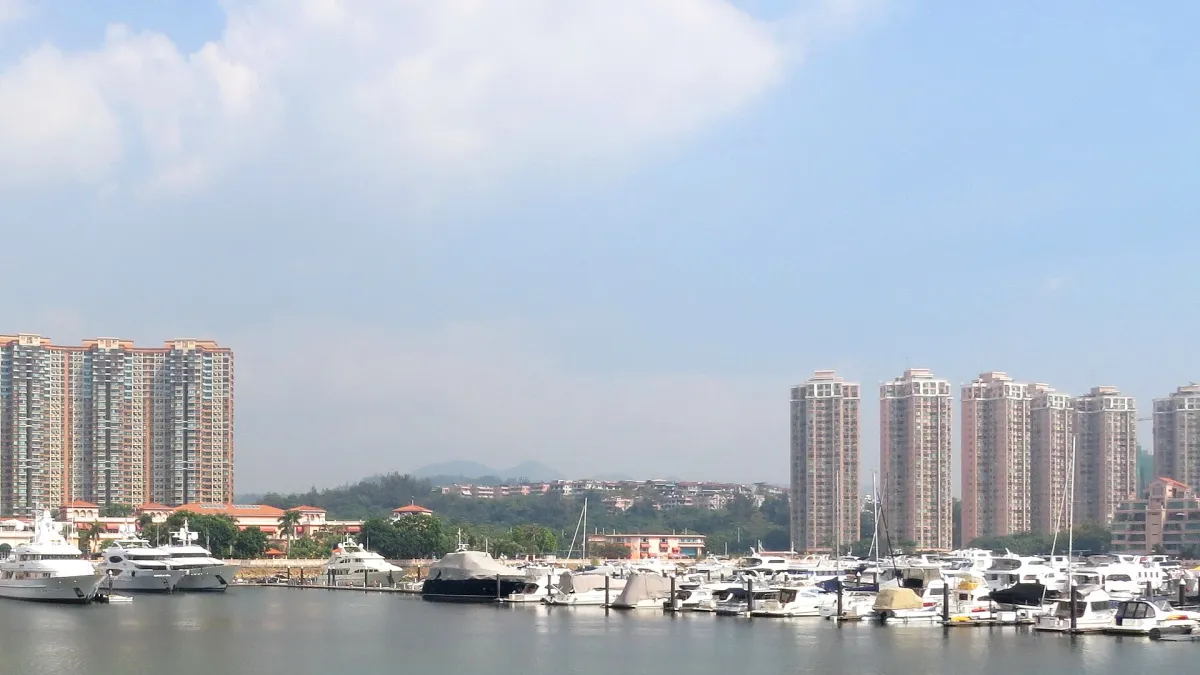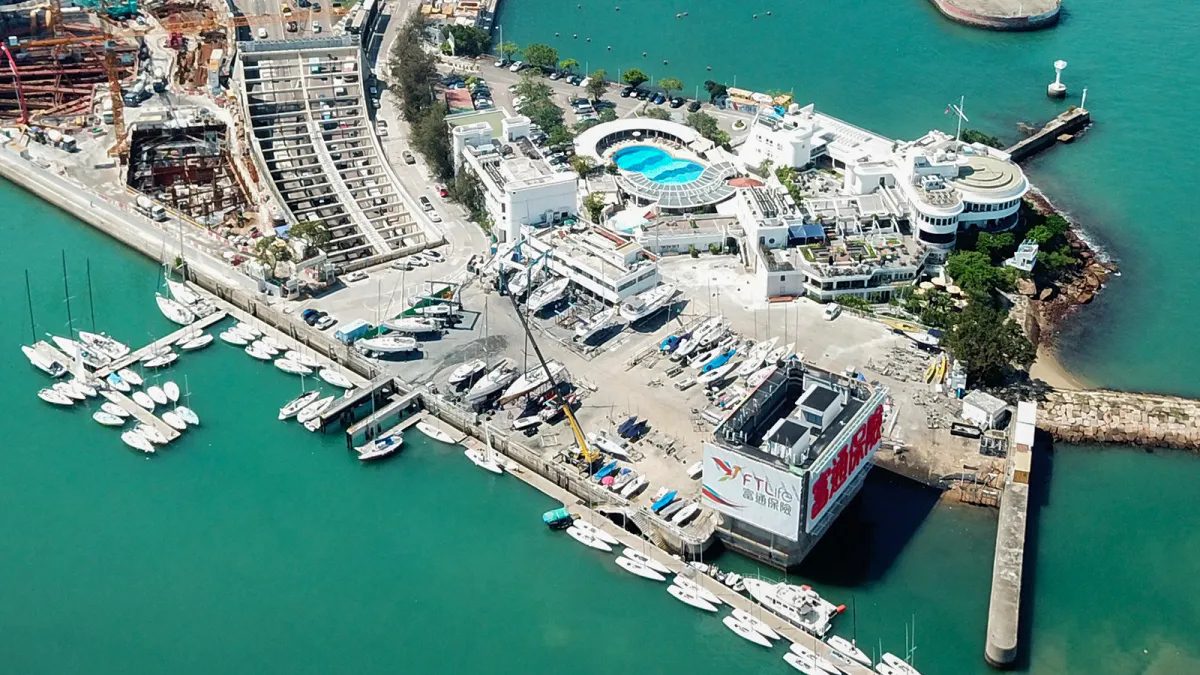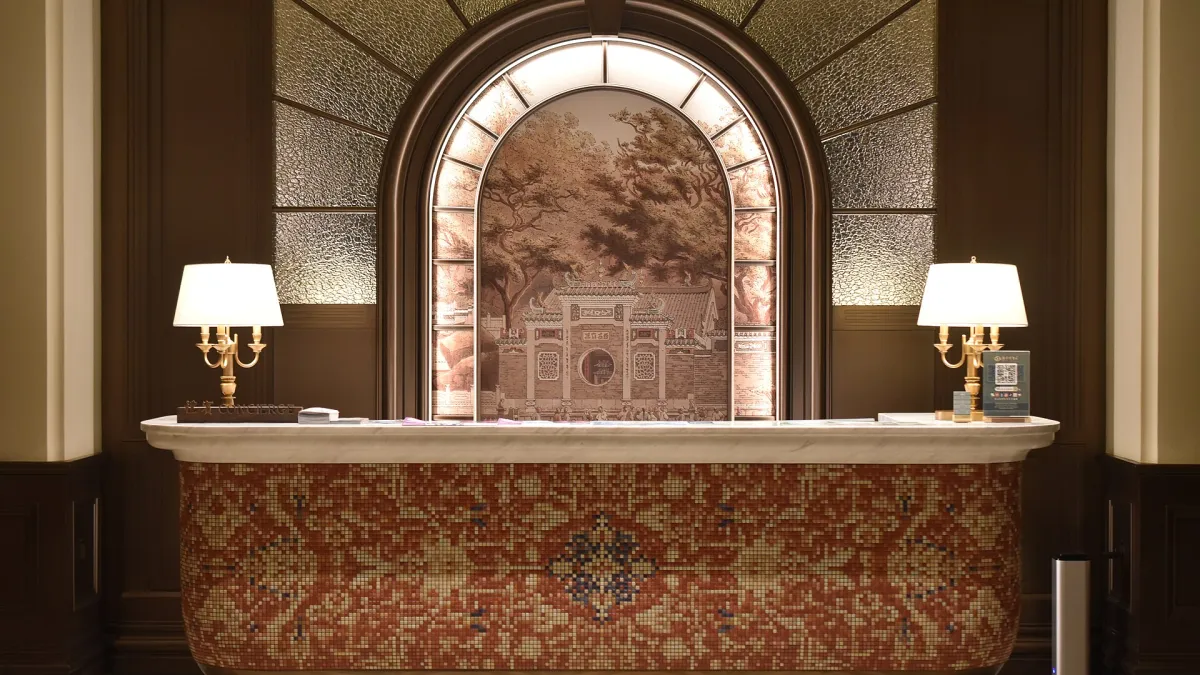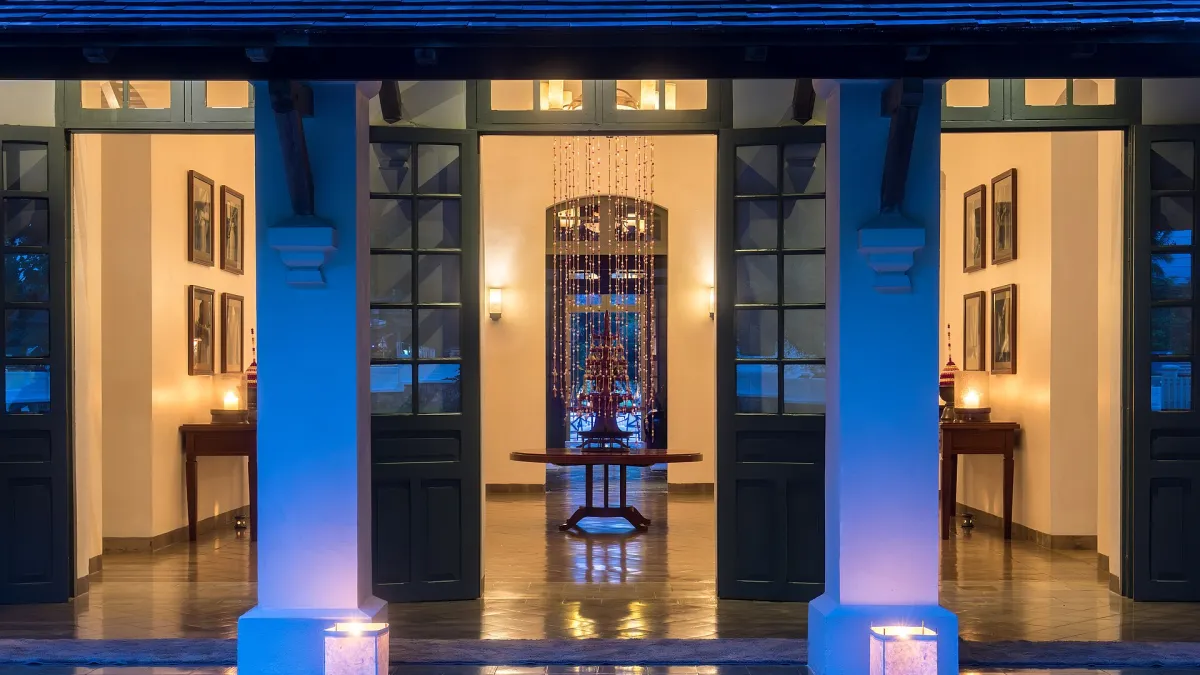
Arrival at an Aman this September is still an exercise in things not happening. No queue at a reception desk, no chandelier moment, no concierge theatre — a car, a short drive, someone who knows your name, and a room that appears to have been expecting you for some time. For this absence of ceremony, guests pay rates that would buy a presidential suite at a very good city hotel, and they rebook at checkout. In an autumn when the S&P 500 sits near 7,650 and gold trades at record levels, the people who buy silence are not feeling poorer, and Aman's order books say so.
The price of nothing
Adrian Zecha opened the first Aman, Amanpuri in Phuket, in 1988, and the formula has not fundamentally changed: few keys, generous space, architecture that defers to the site, and staff who outnumber guests by a wide margin. The minimalism is expensive. It is cheap to build a lobby that impresses; it is dear to build a resort where a guest can spend a week without ever being impressed upon.
The rooms practise the same omission: no minibar circus, no branded clutter, often no television in evidence, keys that are keys. The genius was pricing the absence as the product. An Aman room rate is not a premium on space and service; it is a premium on privacy — the reasonable certainty that the pool will be empty, the restaurant will not be full of people who are not staying, and nobody will try to sell you anything.
The arithmetic underneath
Quiet luxury runs on brutal economics. A key count that low means each room must carry an enormous share of the cost base, which only works at rates most hoteliers would not dare publish. Aman's answer, under owner Vladislav Doronin since 2014, has been to sell the quiet twice: branded residences alongside the resorts let buyers purchase the aesthetic permanently, and the residence sales fund the patience the hotel side requires.
It is a flywheel few can spin. The residences are valuable because the hotel is serene; the hotel can stay serene because the residences paid for the land. Management can then afford the two luxuries that matter most in this segment: time, and empty rooms.
The same arithmetic explains the service. A staff-to-guest ratio that would look extravagant anywhere else is, here, simply the cost of guaranteeing that nothing goes wrong in public. Training, housing and retaining that many people in remote locations is the largest line on the operating budget, and it is also the marketing budget — guests who have been looked after this way do the advertising themselves, quietly, at dinners the brand could never buy its way into.
Why the imitators fail
The big groups have launched soft brands and quiet-luxury flags with Aman on the mood board, and the results are instructive. They copy the palette — the stone, the linen, the single orchid — and miss the staffing ratio, the restraint, and above all the willingness to leave money on the table. Quiet requires saying no: no to a bigger room count, no to a daybed scene, no to a celebrity-chef tenant whose crowd is not your crowd. A chain hotel answers to owners and to a loyalty programme with tens of millions of members expecting recognition. That is a different business wearing similar clothes.
The independents who get closest are owner-run houses with a handful of rooms and no quarterly targets — properties that can afford to sit half-empty in shoulder season because nobody is asking. Their scarcity, not their marketing, is the moat, which is why the genuine article stays rare.
What the model predicts
Aman has been pushing into cities — New York, with its club and its towering rates, opened in 2022 — and launching Janu, a sister brand whose first hotel opened in Tokyo in 2024, pitched at guests who want the space without quite so much silence. Asia, where the brand began, remains its deepest expression; the lodges of Bhutan and the beach resorts of the Philippines and Indonesia still set the pace the city hotels now chase.
The direction of travel in high-end hospitality is the same everywhere: privacy over display, longer stays, fewer trips done more completely, and pricing that treats seclusion as the scarcest amenity of all. The risk to Aman is arithmetic of its own making. Every new key the group adds trades a sliver of the absence for revenue, and the product is the absence. Watch the key count over the next five years. If it climbs quickly, the lesson in pricing silence will be how quietly it can be forgotten.