Overnight
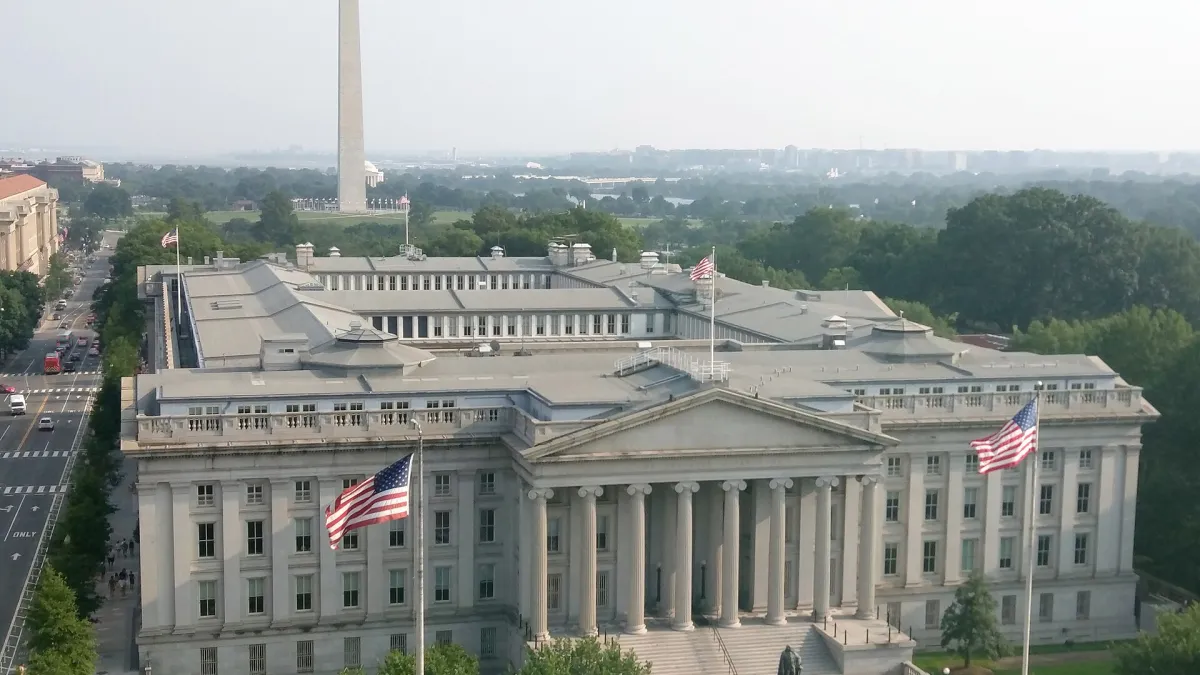
US Treasury yields spiked to their highest levels since 2004, with the 10-year note closing at 5.2% as inflation data and Fed rate expectations shifted market sentiment sharply. The move reflected a reassessment of the pace and magnitude of Federal Reserve rate cuts expected through year-end. Bond investors pulled back from earlier expectations of aggressive easing, citing persistent price pressures and labour-market resilience.
Asia and Europe
The higher-for-longer yield regime rippled through Asian markets overnight. Hong Kong's Hang Seng index closed 0.96% lower, tracking weakness across the region as equities broadly faced headwinds from the cost of capital rising. Technology and high-multiple growth stocks were particular casualties. The stronger dollar, a typical beneficiary of higher US yields, kept USD/HKD near 7.84, putting the Hong Kong dollar peg under renewed scrutiny.
FX, rates and commodities
The yen weakened past 158.85 per dollar as the yield differential between the US and Japan widened further, making carry trades more attractive to yield-hunting investors. Spot gold edged higher at US$4,296 per troy ounce as investors rotated into havens while real yields hit their highest levels in months. Oil prices steadied around US$93 a barrel, resilient against broader risk-off sentiment.
The day ahead
Market focus turns to any fresh inflation signals and central bank commentary. The HKMA continues monitoring the peg closely. Rising US yields and the resulting transmission to Hong Kong mortgage rates remain a key risk for household debt sustainability. Watch for signals from the HKMA on its policy options.
One number
5.2%—the US 10-year yield, highest since late 2004. The climb of roughly 20 basis points over two sessions marks a meaningful shift in rate expectations.
One read
For Hong Kong households, higher bond yields translate directly into higher mortgage costs just as property prices remain elevated. The HK dollar peg, while effective at managing inflation expectations, also means the HKMA must tolerate higher rates even when domestic activity slows. This tension between the peg and Hong Kong's financial stability is the story to watch closely in coming weeks.