What the tax is and why it matters now
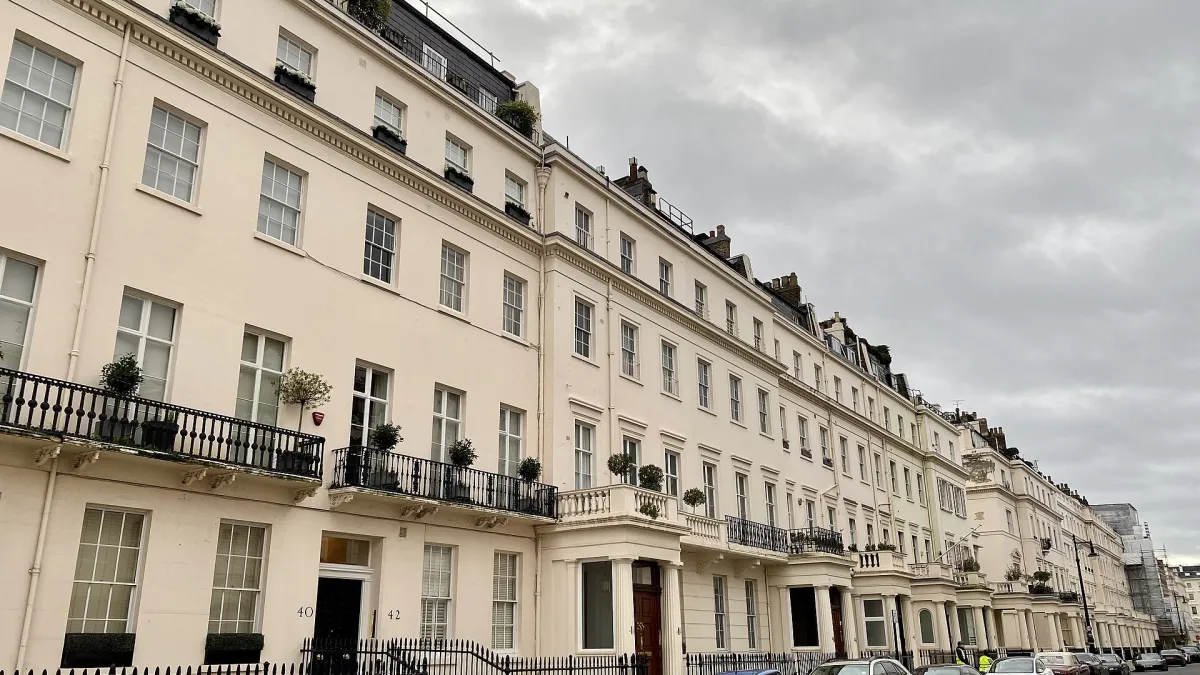
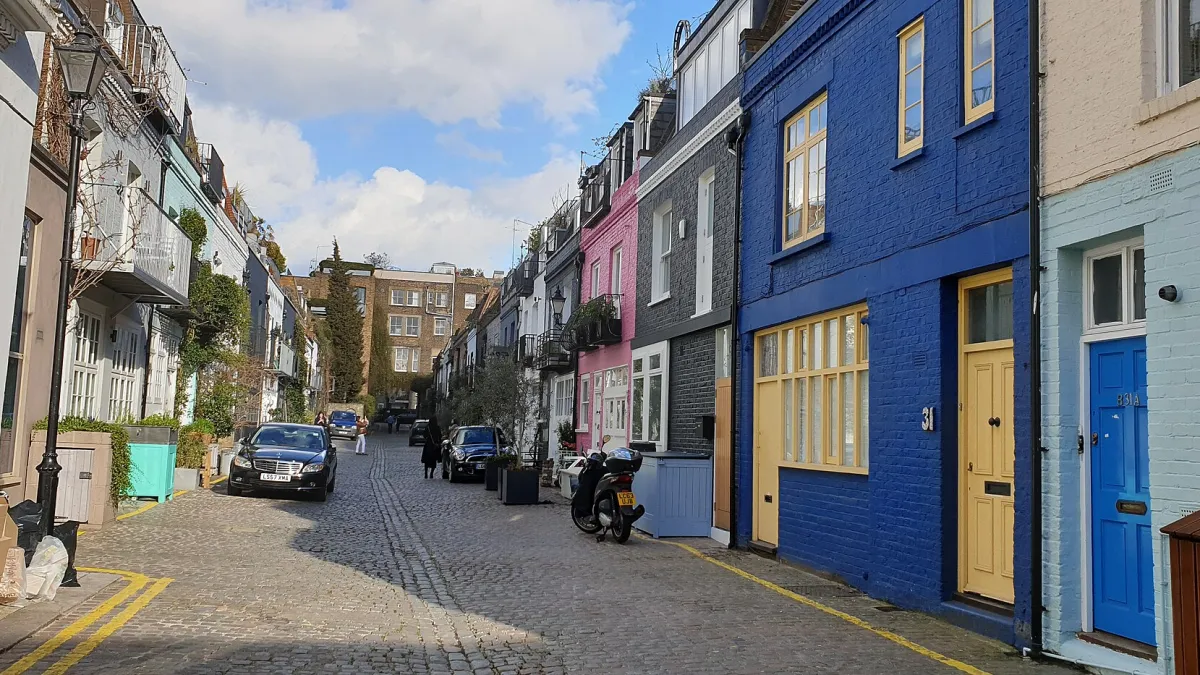
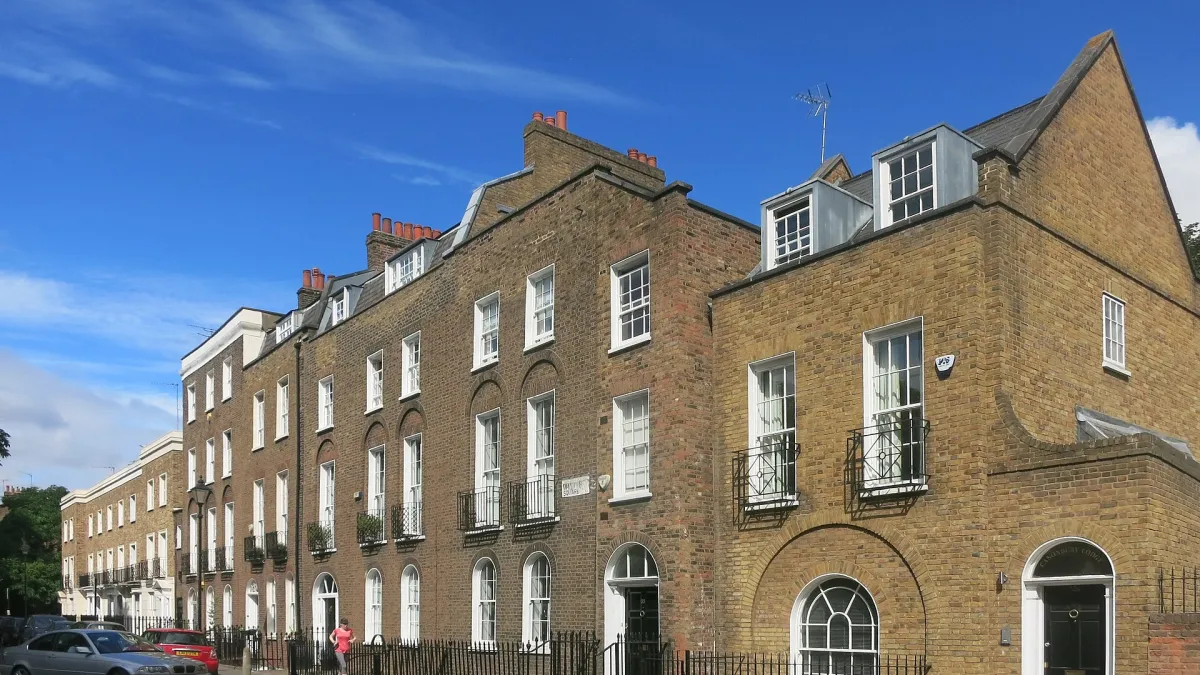
The High Value Council Tax Surcharge applies a flat annual levy to residential properties valued at £2 million or more in England. The tiered structure charges £2,500 yearly on properties between £2m and £2.5m, rising to £7,500 on those above £5m, in 2026 prices. Effective from April 2028, the tax is expected to affect fewer than 1% of all English properties but will reshape London's market for prime residential property — the segment most densely populated in the £2m to £10m band where buyers are now actively steering negotiations.
The anticipated tax is already influencing buyer and seller behaviour. According to Hamptons, the estate agency that first flagged the pattern, 83% of offers on homes priced within 10% of the £2m threshold came in below the mark in February 2026, compared with 64% a year earlier. That 19-percentage-point shift — from the majority of offers clustering naturally around asking price to a near-universal attempt to stay beneath the line — is not random market drift. It is a response to an incoming tax that buyers can still, for now, avoid through pricing negotiation.
Transaction data: the clustering effect
Tax Policy Associates, a think-tank led by tax barrister Dan Neidle, published the first hard quantitative evidence in September 2026 of how pronounced the distortion has become. Comparing completed sales from December 2025 to July 2026 against the same eight-month span a year prior, the analysis covered 925 post-announcement transactions in the £1.7m–£2.3m band in London.
The numbers are stark. Sales completed at exactly £2m fell from 117 to 25 — a 78% collapse. Sales at £1.99m, the price point just below the threshold, more than doubled from nine to 21. The £10,000 band immediately below £2m shifted from representing 0.44% of all transactions in that bracket to 2.27% — a fivefold increase in just eight months.
The statistical confidence behind the shift at £2m spans 10.9 to 29.0 percentage points at the 95% level, meaning the effect is unlikely to be random variation. The bunching grew more pronounced as the calendar advanced: April–July completions showed a 35.2-percentage-point swing below the line, compared with a 10.0-point shift in December–March, consistent with conveyancing delays pushing awareness and negotiating power forward.
How sellers and agents are responding
Listings behaviour reflects the same pressure. Hamptons found that homes listed between £1.8m and £2m rose 5.6% year-over-year in the two months following the May 2026 budget consultation announcement, while listings between £2m and £2.2m fell 6.5%. The agency estimated around 145,000 homes sit between £1.5m and £2m in London and adjacent prime markets, with a further 130,000 priced above £2m. Sellers of properties near the threshold are effectively pricing downward to maximise the pool of buyers who can clear the psychological (and soon financial) ceiling at £2m.
A similar pattern is emerging at the £5m threshold, where the tax jumps from £5,000 to £7,500 annually, suggesting the distortion will ripple across multiple price bands.
Why this matters to Hong Kong investors and families
For Hong Kong buyers, London's mansion tax bunching carries two immediate implications. First, it signals that anticipated tax policy can reshape market pricing without waiting for implementation — a lesson that applies to any jurisdiction where governments announce future property taxes, windfall levies or transfer-cost changes. A Hong Kong family considering London prime property should expect that current distortions at the £2m band — and any related widening of the £2m-to-£10m gap — may persist or worsen as April 2028 approaches, potentially making purchases in the £2m-to-£2.5m range more attractive on price (if conviction on the numbers is high) or riskier (if the tax is later scaled back or delayed, as proposed changes occasionally are).
Second, the data suggests that London's high-end market is thinner and more price-sensitive than the headline figures suggest. If 925 transactions across an eight-month period and a defined band can shift measurably under anticipated tax pressure, the absolute pool of buyers at each price point — and thus the pace at which a Hong Kong family could exit a position — is smaller than comfort. Hong Kong property investors have historically valued London as a diversified store, but the bunching effect underlines the importance of geography and tax timing in exit strategy.
The broader context: average UK house prices rose 1.4% in the 12 months to July 2026 to a mean of £273,000, but London prices fell 0.4% year-on-year. The Evening Standard reported in September 2026 that only 42% of homes in London are finding buyers, compared with a UK average of 61%. That backdrop — slow growth, weaker clearance rates in the capital — is where the mansion tax bunching occurs. A tax that narrows rather than broadens the addressable market for a London £2m property comes at a moment when London's relative prime-market momentum is already under pressure.
Timeline and the next release
The government has not yet published the outcome of its May–July 2026 consultation on the HVCTS design, but the main provisions are expected to appear in a future Finance Bill. HM Treasury and the House of Commons Library both confirmed the April 2028 implementation date. The next ONS UK House Price Index release — for August 2026 — lands on 21 October 2026; that monthly data will be the first real-time read on whether bunching persists or prices settle after the initial shock.
The Budget angle: the government's Autumn Budget on 28 October will likely carry new detail on the HVCTS timeline or, if consultation feedback prompted delays, revised dates. That release will be the next key moment for buyers, sellers and advisers to reassess conviction on when the tax actually lands.