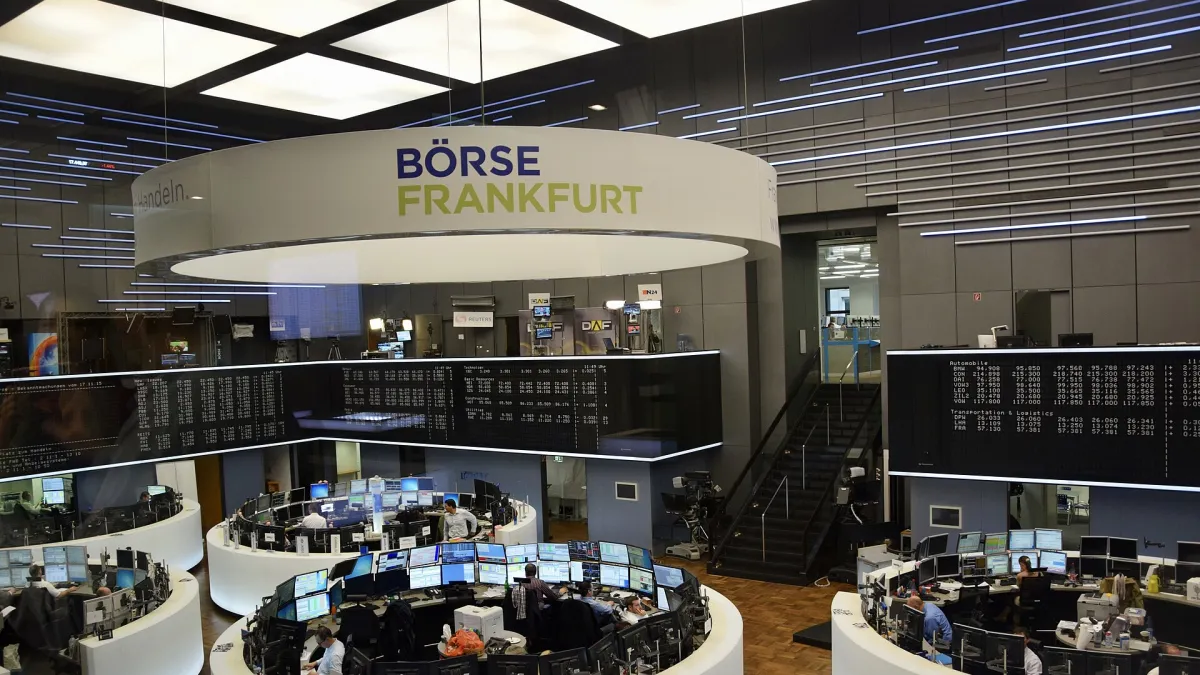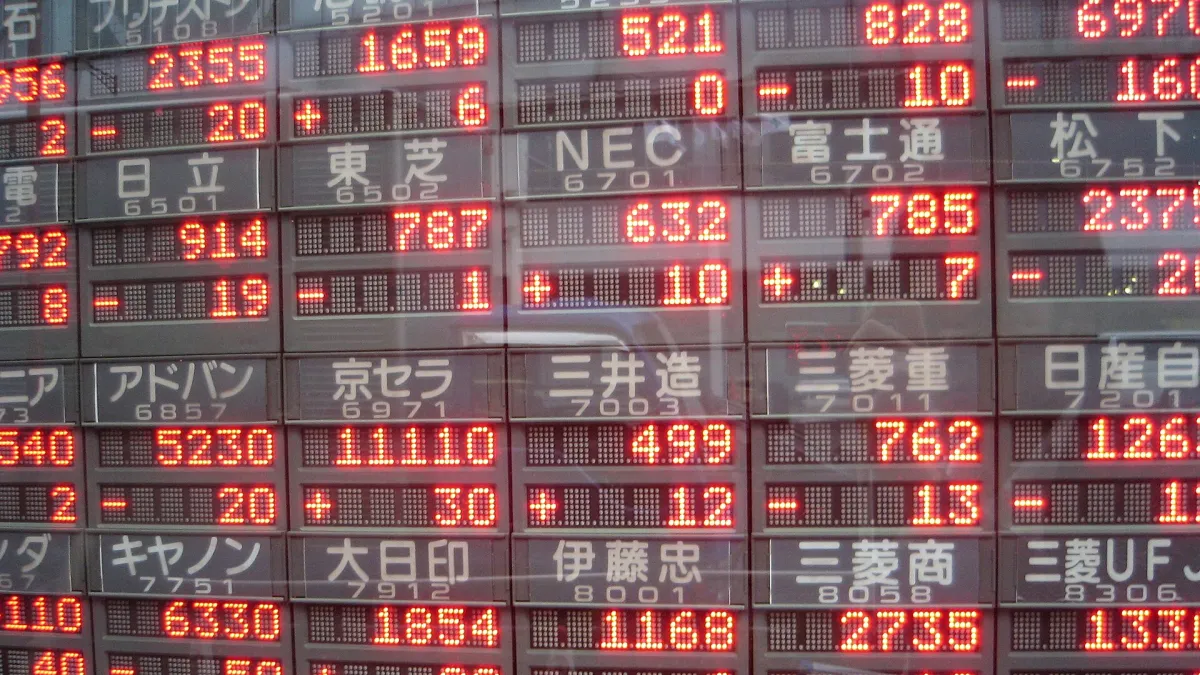
The yen sits around 154 to the dollar, a ten-year US Treasury pays roughly 5 per cent, and Japanese money remains the cheapest in the rich world. Between those facts sits the most crowded position in global finance, rebuilt in plain sight: borrow in yen, own anything that yields more than yen. The Nikkei 225, trading near 64,000, says the owners are being paid. The question this September is not whether the carry trade works — it plainly does — but whether anyone has measured the exit.
The mechanics, without the mystique
A carry trade is a loan dressed as an investment. You borrow in a currency where interest rates sit near zero — for most of the past two decades, that meant yen — convert the proceeds, and buy assets that pay more: US Treasuries, Mexican pesos, Australian bonds, technology stocks, anything with a pulse and a yield. The spread between what you earn and what you owe is the carry, and it accrues quietly, day after day, which is precisely the problem.
Quiet profits breed leverage and complacency in equal measure. The trade's risk is not interest rates but the exchange rate: if the yen rises sharply, the funding leg swells against you, and a position earning three per cent a year can lose three years of profit in a week. A carry trade is, in substance, a short position on yen volatility written by people who do not think of themselves as option sellers.
A rehearsal, not an obituary
The trade has already been stress-tested in public. When a Bank of Japan rate rise collided with a weak American jobs report in August 2024, the yen surged, the funding leg of every such position ballooned in currency terms, and the Nikkei lost 12.4 per cent in a single day — with no bank failure, no default and no war. Positions built over years were cut in hours. Margin calls do their own risk management.
What followed was more instructive than the crash. Volatility spiked to levels seen only in genuine crises, cross-asset correlations lurched, and then — after a senior Bank of Japan official publicly promised no further rate rises while markets were unstable — the whole apparatus re-inflated within weeks. Speculators rebuilt the trade. That is the thing to understand about carry: it is not killed by losses, only made more careful for a season. This September's composure is that season.
Why everyone is on the same side
Years of yield-curve control made shorting the yen the closest thing to a structural certainty that markets offered, and habits acquired under decree die slowly. The Bank of Japan capped bond yields by decree, held short rates below zero, and promised patience in writing; it now normalises so cautiously that each rise arrives as a rumour long before it arrives as a fact. Speculative positioning in yen futures has swung back to the short-yen side — a one-way bet that requires only one crowded side of the boat.
The borrower's identity matters less than the position's ubiquity. Macro funds run it outright. Japanese retail margin accounts run it in miniature. Equity investors run it without knowing, by owning unhedged assets funded from a yen balance sheet. When the exit door opens, the crowd discovers it is not a collection of separate trades but one trade in many costumes.
The tells worth watching
No one rings a bell at the top of a carry trade, but the machinery creaks audibly beforehand. The creaks worth listening for now:
- the gap between Bank of Japan guidance and what overnight index swaps price for the next meeting;
- speculative positioning in yen futures, published weekly and prone to extremes at exactly the wrong moments;
- the cross-currency basis — the price of swapping yen funding into dollars — which tightens when the trade is straining;
- American payroll and inflation surprises, because the dollar leg is half the position;
- the shape of the yen options market, where demand for crash protection appears before the crash does.
The next unwind, whenever it comes, will be dismissed as a positioning accident rather than a forecast about Japan, and it will reprice assets from Auckland to Austin before anyone agrees on what happened. The yen will still be the rich world's cheapest funding the week before it happens, and quite possibly the week after. A family office does not need to predict the timing. It needs to know how much of what it owns is secretly the same trade.