The October Surge Tests Hong Kong's Exclusivity
Autumn brings the year's scarcest hotel beds and sharpest pricing for affluent travellers seeking Hong Kong's perfect weather window. This October, a fresh surge of visitors from mainland China and neighbouring markets tests the city's most exclusive properties, redefining how wealth travels to Asia's premier destination.
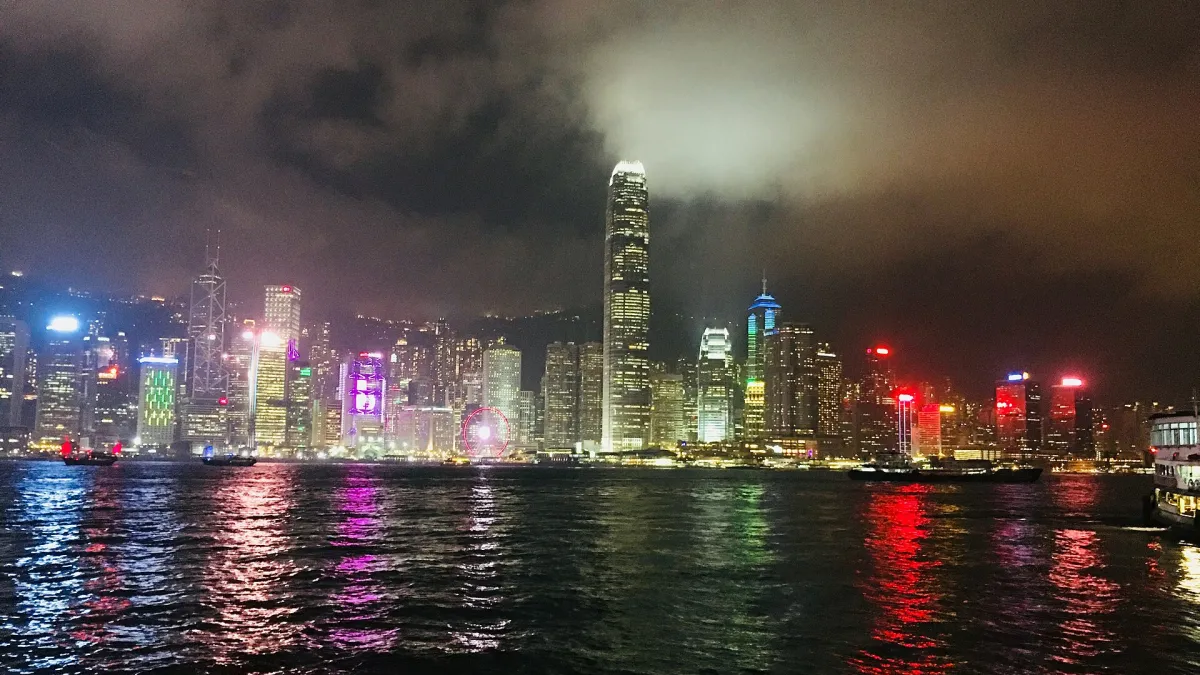
The surge is real and measurable. Hong Kong's Immigration Department recorded 129,000 mainland arrivals in the five-day Golden Week period (1–5 October 2026), a 23% lift from the same window last year, according to official traffic data. Alongside China's exodus during its national holiday, Japan, South Korea and Southeast Asia contribute secondary waves as their autumn school breaks align. The result: a compressed peak that squeezes 18 months' worth of high-end demand into 14 days, transforming October from a pleasant season into the city's annual crux point for luxury real estate viewing, experiential tourism and aspirational dining.
When Wealth Concentrates, Prices Rise
For affluent readers — the family office principal planning an Asia office tour, the collector scouting properties for a Hong Kong base, the leisure traveller who arrives unannounced with the expectation of private access — October poses a discipline test. A room at the Four Seasons or Mandarin Oriental that rents for HK$3,500–4,200 (USD 450–540) in September climbs to HK$5,200–6,800 (USD 665–870) during Golden Week, hotel distribution data show. Service suffers proportionally. Concierges at the Janu and Aman report that fine-dining reservations vanish within 48 hours of release; private airport transfers queue at Chek Lap Kok for three hours instead of the usual 45 minutes. The October window tests not just traveller patience but the infrastructure assumption that Hong Kong's most exclusive experiences remain unrationed.
Clubs and Property Fill the Waiting Lists
The scarcity runs deeper than accommodation. Hong Kong's private clubs, membership by reputation and introduction, report unprecedented transfer waiting lists. The Hong Kong Jockey Club's waiting list grew from 847 names in January 2026 to 1,247 by October — a 47% increase in nine months — with most applications citing international business travel as the entry motive, club officials noted. Property agents in the Peak and Discovery Bay report surge interest from mainland Chinese buyers during Golden Week, with three-to-five-bed villas commanding asking premiums of 8–12% over the previous month. One agent, speaking on background, noted: "October attracts the buyer who comes once a year to assess the market. Miss the autumn window and the buyer waits until next October. That creates a compression of deal-flow that our sales teams manage like a seasonal harvest."
Weather and Culture Frame the Autumn Window
The week's events calendar amplifies this pressure. Art Basel Hong Kong, normally in May, casts a cultural shadow into October with the arrival of collectors preparing for November's Asian Art Fair. The Dragon Boat Festival, September's signature spectacle, cedes the autumn stage to smaller but meaningful events: the Hong Kong HighJump Formula 1 preliminary events, the Hong Kong Open tennis tournament, and curated experiences at the city's flagship galleries and design houses. Cultural offerings run second to the weather window and the social calendar — October brings clear skies, sea temperatures still swimable (26–27°C / 79–81°F), and an absence of the summer typhoon season's residual humidity that plagues September. The meteorological turn alone drives visitor behaviour. A travel agent specialising in wealthy families reported a 34% increase in Golden Week bookings versus September, citing weather certainty as the primary driver.
The Four Commitments of Autumn Wealth
For the affluent reader, the season consolidates four decision points: acquisition (whether to buy property, when to commit to a Hong Kong base), experience (which clubs to join, which restaurants to reserve), relationships (meeting business partners and advisers in person), and reassurance (confirming the city's continued primacy in Asia's wealth ecology). October satisfies all four. The result: a month when every affluent person in the region arrives at the same time, in search of limited beds, private access and the assurance that they are not alone in judging Hong Kong worth the October premium.
That premium is structural, not temporary. As long as China's October holiday anchors the calendar and Hong Kong remains the gateway for Asian wealth management, October will command scarcity pricing and infrastructure strain. For affluent travellers, the question is not whether October is worth the price — it is whether the price signals a Hong Kong that can still deliver on its premium positioning when demand surges. Early reports from this week's arrivals suggest the city's most exclusive operators are passing that test, with private clubs activating waitlisted members and high-end hotels deploying additional multilingual staff. But the November reflection among hoteliers will measure not whether October succeeded, but whether October strained the carefully curated exclusivity that draws affluent travellers in the first place.
October also tests the water's edge: Guangdong yachts in Hong Kong waters are set to reshape how affluent pleasure-seekers access the region, and October's calendar offers the season's clearest skies for coastal pursuits.
The next comparable window is Chinese New Year 2027 (February). Until then, October 2026 stands as the market's dress rehearsal for luxury under volume — a test that will define the city's capacity to serve wealth when the entire region arrives at once.